Liposuction In St. Louis, MO

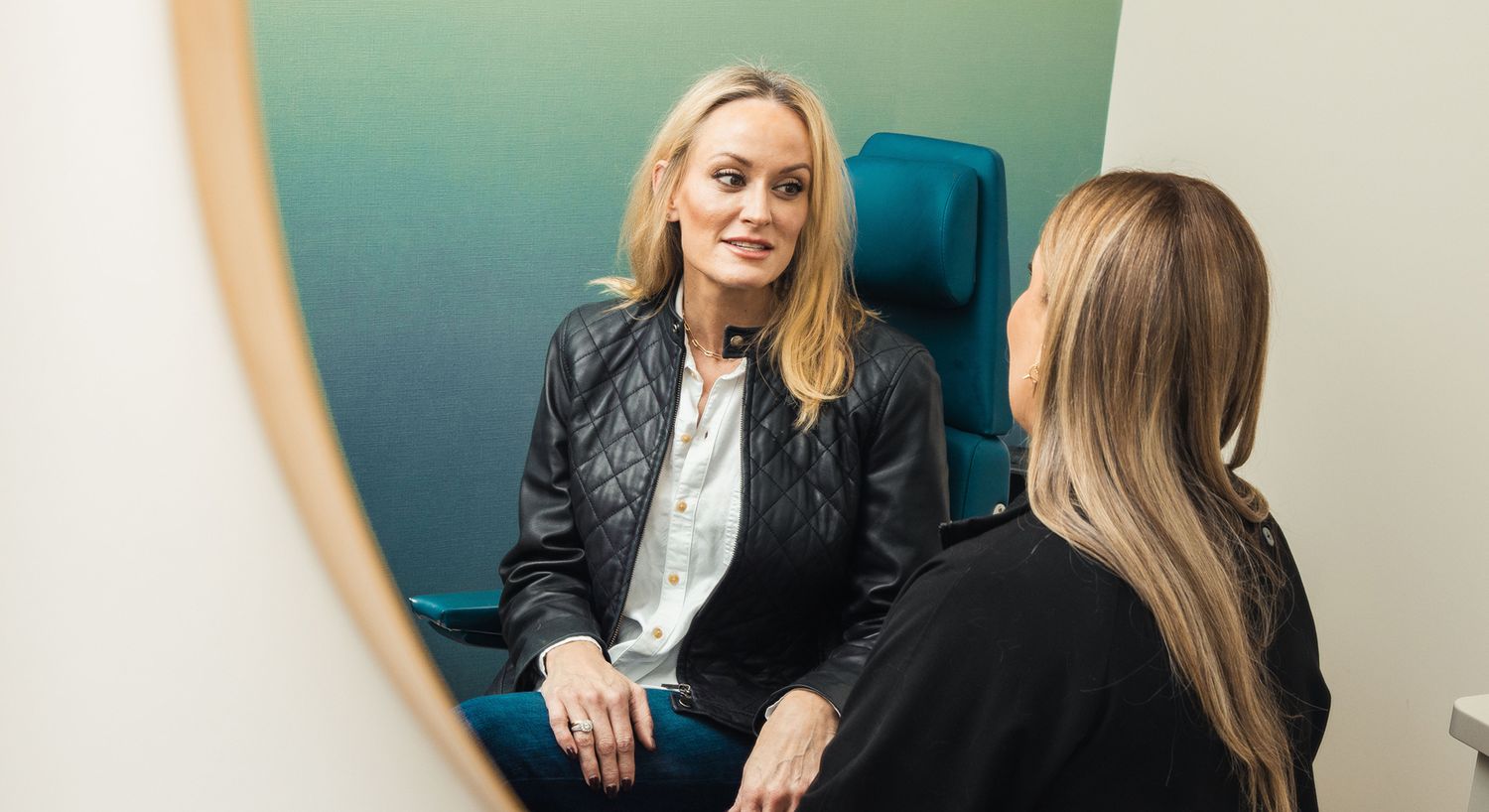





Successful liposuction depends on judgment as much as fat removal. The surgeon must decide where contouring will improve proportion, how much fat can be removed without creating depressions or irregular transitions, and whether the skin is likely to contract smoothly afterward.
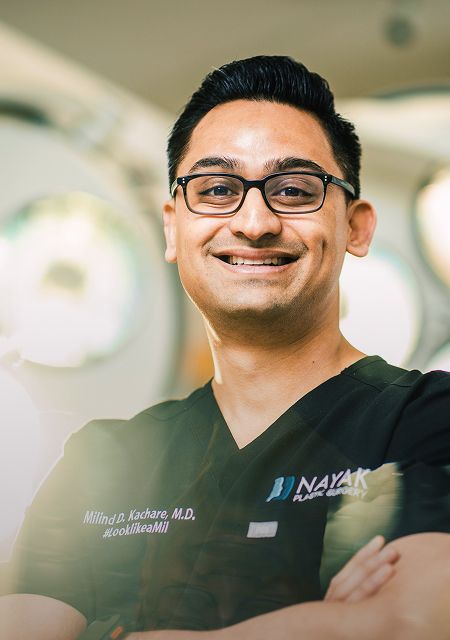
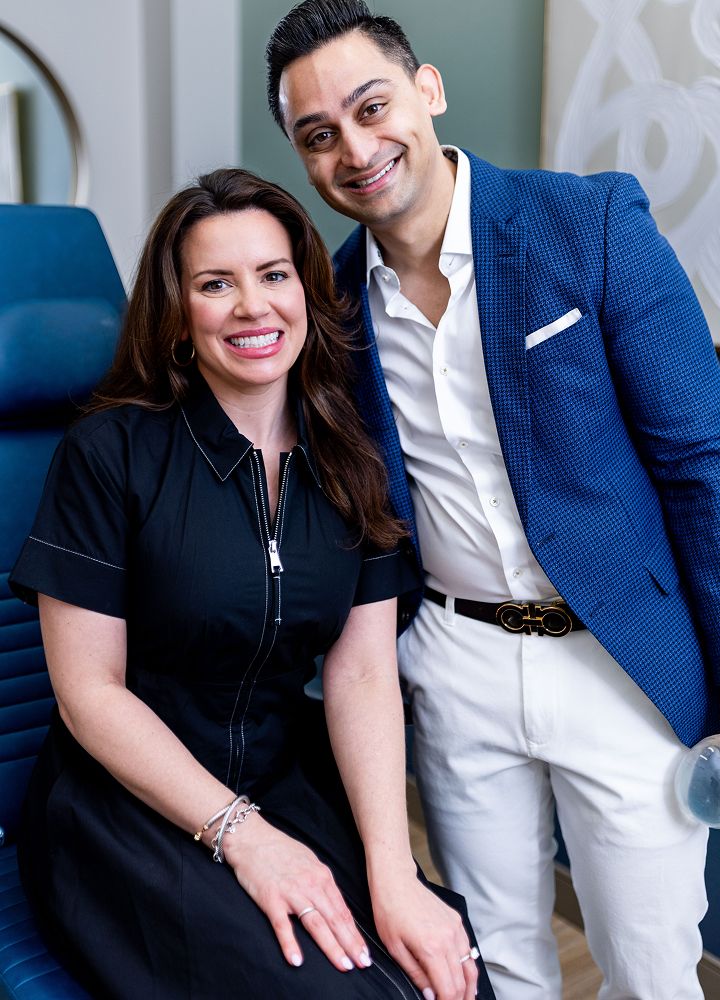
Dr. Milind D. Kachare is a double board-certified, aesthetic fellowship-trained plastic surgeon with extensive training in breast and body surgery. He approaches liposuction as a three-dimensional contouring procedure, evaluating each treatment area in relation to the surrounding waist, torso, limbs, and natural muscular structure. Depending on your anatomy and goals, your plan may include targeted liposuction, 360-degree contouring, high-definition techniques, or fat transfer.
Patients also receive coordinated care before and after surgery, with individualized preparation instructions, postoperative monitoring, and guidance as swelling resolves and the tissues settle. Every recommendation begins with a direct assessment of what liposuction can accomplish for your body and whether another procedure would create a safer, more complete result.
Liposuction is a surgical procedure that removes excess fat deposits from specific areas of the body. Liposuction is not a weight-loss solution but rather a body contouring tool to refine your shape and enhance your natural curves. This versatile procedure can target various areas, including the abdomen, hips, thighs, arms, and chin. Dr. Kachare uses advanced techniques to suction out unwanted fat cells, as well as sculpt and contour your body to achieve a more proportionate figure.
Liposuction is typically an outpatient procedure performed under local anesthesia with sedation or general anesthesia.
The specific steps will vary depending on the area treated and the chosen technique. Generally, before starting the liposuction St. Louis plastic surgeon, Dr. Kachare will mark the treatment areas on your body. Then, he will administer local anesthesia with sedation to ensure your comfort throughout the procedure. Next, Dr. Kachare will make small incisions in inconspicuous locations. He will then insert the cannula and suction out the fat cells from the targeted areas. Finally, Dr. Kachare will close the incisions with sutures and may use a drain if needed. Following the procedure the surgical team will prepare you to be driven home following surgery.
Liposuction can be adapted according to the areas being treated, the thickness and location of the fat, your skin quality, and the amount of definition you want. Although these approaches share the same basic goal of removing targeted fat through small incisions, the treatment pattern and level of sculpting can differ.
Tumescent liposuction uses a sterile fluid containing medication to help numb the treatment area, control bleeding, and make fat easier to remove. A thin tube called a cannula is then used to extract fat and shape the surrounding contours. This approach can be used for many common treatment areas, including the abdomen, flanks, thighs, arms, back, and chest.
High-definition liposuction goes beyond reducing an isolated pocket of fat. It uses detailed fat removal to bring out the body’s existing muscular structure and create smoother transitions between adjacent areas. This approach may be appropriate for patients who are already relatively lean and want greater definition through the abdomen, waist, back, or other carefully selected areas.
Rather than treating the front of the abdomen alone, 360-degree liposuction addresses the midsection from multiple angles. The abdomen, flanks, waist, and back can be contoured together to create a more cohesive result around the torso. The exact treatment zones are selected according to your anatomy and desired proportions.
Fat removed during liposuction may also be prepared and transferred to another area of the body. Depending on your goals and available donor fat, it may be used to soften hip dips, refine breast contours, or add shape to the buttocks. Dr. Kachare will determine whether fat transfer can be performed safely and whether it is likely to produce the improvement you want.
Liposuction helps create smoother, more balanced body contours, enhancing your overall figure. It can effectively treat several body concerns, including:
Localized fat deposits resistant to diet and exercise. Disproportionate body contours Double chin or fullness under the chin Love handles or muffin top Saddlebags on the outer thighs








Liposuction is not a weight loss solution, but it can effectively address stubborn fat deposits that resist diet and exercise. Common areas treated include:
While often simplified as fat removal, the true value of liposuction at Nayak Plastic Surgery lies in the intentional recalibration of body proportions. Our surgeons utilize this procedure as a tool for refinement when diet and exercise reach their physiological limits.

Liposuction is best suited to healthy adults who are near a stable goal weight but still have localized fat that does not respond as expected to nutrition and exercise. The procedure can improve proportion and definition, but it is not designed to produce substantial weight loss.
You may be a good candidate if you:
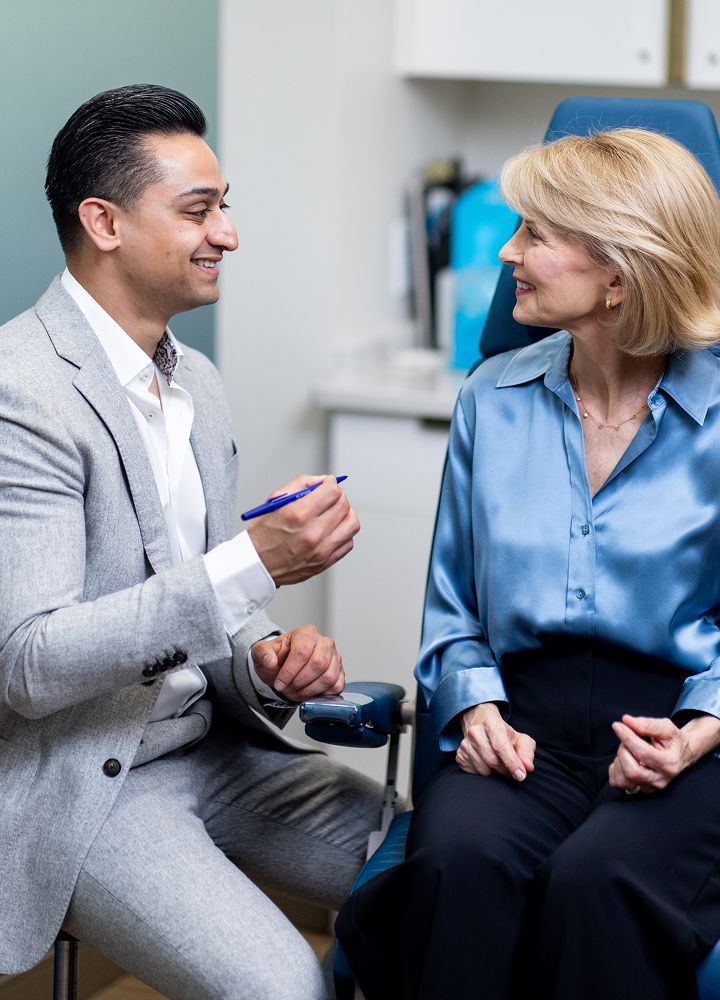
Liposuction alone may not be the right procedure when loose skin, separated abdominal muscles, or significant weight loss is the primary concern. Removing fat without addressing poor skin elasticity can sometimes make laxity more noticeable. In these cases, Dr. Kachare may recommend a tummy tuck, body lift, skin-removal procedure, or a staged treatment plan. Your consultation will include an assessment of fat distribution, skin quality, overall health, and the relationship between the areas you want treated.
Ideal candidates for liposuction are at a healthy weight and have good skin elasticity.
St. Louis Liposuction patients should have good overall health and realistic expectations about the procedure's results. Liposuction is not a substitute for weight loss or a healthy lifestyle. During your consultation, Dr. Kachare will assess your health, discuss your goals, and determine if liposuction is right for you.
Recovery depends on the number and size of the areas treated, the amount of fat removed, and whether liposuction is combined with another procedure. Swelling, bruising, tenderness, and temporary changes in sensation are expected early in the healing process. You may also be asked to wear a compression garment to support the treated areas and help manage swelling.
The First 24 to 72 Hours
Plan to rest while taking short, gentle walks as directed to support circulation. Soreness and fluid drainage from the small incision sites may occur. You will need someone to drive you home and should follow your postoperative instructions closely.
Days Four Through Seven
Discomfort usually begins to ease, although swelling and bruising remain visible. Many patients with desk-based work can return within several days to one week, depending on the scope of treatment and how physically demanding their job is.
Weeks Two Through Four
Bruising continues to fade, mobility feels easier, and the treated contours gradually become more apparent. Normal daily activities can usually increase during this period. Exercise, heavy lifting, and high-impact movement should resume only after Dr. Kachare clears you.
One to Three Months and Beyond
Residual swelling may fluctuate for several months, especially after extensive or multi-area liposuction. The tissues continue to soften and settle as the skin adapts to the underlying contour. Final definition can take several months to emerge. Dr. Kachare and the postoperative team will monitor your progress and adjust garment use or activity restrictions according to your healing.
We believe in complete pricing transparency. Unlike practices that hide costs until the end of a consultation, Nayak Plastic Surgery provides detailed fee schedules for each of our surgeons directly on our website. This allows you to understand the financial investment before ever stepping foot in our office.
To receive a personalized preliminary estimate and professional feedback, we encourage you to utilize our Complimentary Photo Review. By submitting photos through our secure portal, you can receive a direct assessment from our surgical team to determine if you are a candidate for liposuction and which approach is best suited for your anatomy.
Financing Liposuction
Qualified patients may use third-party financing through PatientFi to divide the cost of surgery into monthly payments. Approval, interest rates, promotional offers, and repayment terms are determined by the financing provider. Visit our financing page to review current options, or speak with our team when you receive your personalized surgical quote.
Yes. Liposuction is frequently incorporated into a broader surgical plan when fat removal alone would not fully address the patient’s anatomy or goals.
A tummy tuck can remove loose abdominal skin and repair separated muscles while liposuction refines the waist, flanks, or surrounding torso. Liposuction may also be combined with breast surgery as part of a mommy makeover or paired with fat transfer to improve the hips or buttocks. During a Brazilian butt lift, fat is harvested from selected donor areas, prepared, and transferred to improve lower-body shape and proportion.
Combining procedures can create a more cohesive result and consolidate treatment into one recovery period, but a longer operation is not appropriate for every patient. Dr. Kachare will consider your health, the extent of surgery, anesthesia time, recovery needs, and overall risk before recommending a combined plan. When staging procedures offer a safer or more predictable path, he will explain that option clearly.
After surgery, you'll notice an immediate change in your body contours, but final results will become apparent as swelling subsides over the next few months. Liposuction results are typically long-lasting as long as you maintain a healthy weight and lifestyle. Regular follow-ups with Dr. Kachare will help ensure your long-term satisfaction with your results.
Liposuction incisions are very small and strategically placed to minimize visible scarring. Most scars fade significantly over time.
The cost of liposuction varies depending on the areas treated, the complexity of the procedure, and anesthesia fees. We will provide a personalized quote during your consultation.
Light activities can resume immediately, with full exercise at 2-4 weeks.
Yes, treatments like CoolSculpting can address small fat deposits non-surgically, and we can review your candidacy for those treatments during your consultation.
If you have good skin elasticity, your skin should tighten over time. In some cases, skin tightening procedures may be recommended. St. Louis liposuction expert, Dr. Kachare can incorporate these into your liposuction procedure to deliver optimal results with minimal surgical intervention.
In an outpatient setting, safety guidelines typically limit fat removal to approximately 5 liters. However, our surgeons prioritize the aesthetic "finish" over the volume removed. Extracting too much can lead to contour irregularities or a "hollowed" appearance; the goal is always a natural, athletic transition between treated and untreated areas.
Most patients can resume light walking within 48 hours to promote circulation. High-impact exercise, heavy lifting, and vigorous cardio should be avoided for three to four weeks. Returning to the gym too early can increase swelling and prolong the "ugly phase" of recovery, potentially compromising the final refinement of the skin.
The fat cells removed during liposuction are gone for good. However, the remaining fat cells in your body can still expand. If you gain significant weight, it will likely distribute more evenly across your body rather than accumulating in the previous "problem areas," but maintaining a stable weight is essential to preserving your surgical result.
While you will be mobile almost immediately, significant bruising and the need for compression garments mean most patients wait 10 to 14 days before attending social events where they want to feel "normal." Residual swelling can take three to six months to fully dissipate, at which point the final, crisp contours are visible.
No. Liposuction targets the deeper subcutaneous fat layer. Cellulite is caused by fibrous bands pulling down on the skin’s surface. While removing fat can sometimes slightly improve the appearance of certain areas, it can also make cellulite more visible if the skin lacks the thickness to mask those underlying structures.

Frontenac
Monday: 8:00 AM – 5:00 PM
Tuesday: 8:00 AM – 7:00 PM
Wednesday: 8:00 AM – 5:00 PM
Thursday: 8:00 AM – 7:00 PM
Friday: 8:00 AM – 5:00 PM
Saturday: 8:00 AM – 12:00 PM
Sunday: Closed
Des Peres
Monday: Closed
Tuesday: 8:00 AM – 7:00 PM
Wednesday: 8:00 AM – 5:00 PM
Thursday: 8:00 AM – 7:00 PM
Friday: 8:00 AM – 5:00 PM
Saturday: Closed
Sunday: Closed
Chesterfield
Monday: 8:00 AM – 5:00 PM
Tuesday: 8:00 AM – 5:00 PM
Wednesday: 8:00 AM – 5:00 PM
Thursday: 8:00 AM – 5:00 PM
Friday: 8:00 AM – 5:00 PM
Saturday: Closed
Sunday: Closed