Facelift In St. Louis, MO
Facelift


Facelift



"As a surgeon and educator, I want to make sure you have the information you need to feel comfortable about your decision to undergo facial plastic surgery. In my experience, I have found that deep plane facelifts provide the best facelift results for patients, so we exclusively offer deep plane facelifts at Nayak Plastic Surgery. To learn more about the difference deep plane facelifts can make in your appearance, visit our Deep Plane Facelift page."
- Dr. Mike Nayak, MD.
1 of 36
The facelift is a targeted facial rejuvenation procedure. It is perfect for those with sagging, looseness and excess fat in the neck, under the chin, or along the jawline. Ideal candidates for the facelift have good skin elasticity and mild to advanced sagging of the lower half of the face.
The procedure addresses the lifting of the neck together with the lower face. Dr. Nayak addresses not only loose skin and excess fat, but also rejuvenates:
His facelift includes fat transfer as appropriate. All surgeons remove fat and tighten skin. Some tighten muscle layers. Only a few add fat in a meaningful, artistic way. Almost none, however, reshape the deep foundation of the neck (glands, muscles, fibrous tissue). This reshaping of the very foundation of the neck is critical to creating real rejuvenation without a “tight” look. To achieve balanced results, the deep plane facelift and Neck Lift are commonly performed together with chin implants, and eyelid surgery.


The facelift procedure is not a procedure of skin-tightening, but more about restructuring the foundation of the lower face and neck – the skin lies passively over the reworked muscle layers.
Think of your skin as the table cloth, and the layers underneath as the table. If the shape of the table is changed, then the tablecloth will need to be trimmed to fit. While the jawline and neck typically begin to sag and show jowls, double chins, and bands in the front of the neck between 35 and 45 years of age, the appropriate time to intervene depends on the amount of aging change there is to reverse. Operating too early is unwise, as there will likely be no visible improvements after the surgery – there should be meaningful change to be made.
Operating too late, after health problems develop or marked aging changes have occurred, sometimes limits the results that are obtainable. In general, patients ranging from 40-70, who are non-smokers, in good health, and with a BMI of 30 or under, tend to be the best candidates. Dr. Nayak performs his facelift procedures in his in-office, AAAHC-accredited operating suite under intravenous sedation. This is deep sedation, you are not intubated with a breathing tube, you are breathing on your own. For patients who are not in optimal health and may require more observation or an overnight stay, surgery may need to be performed in a hospital or off-site surgical center, under general anesthesia.


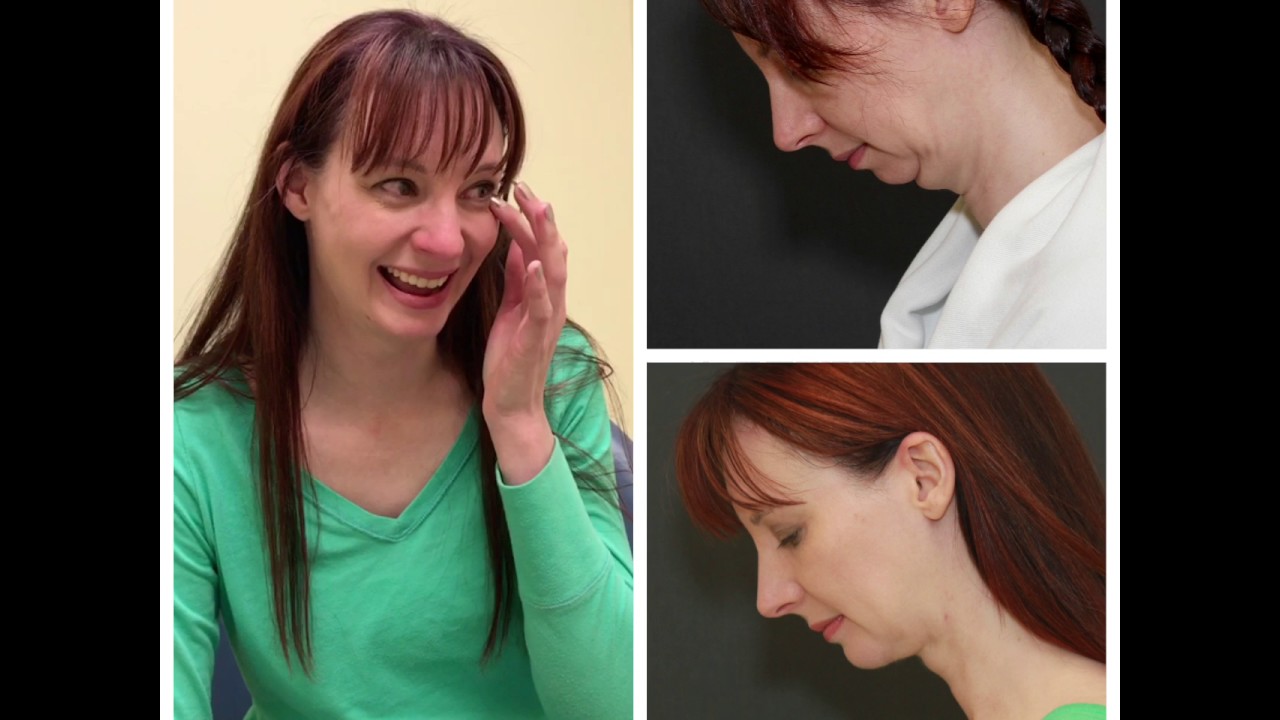
During your consultation for the facelift surgery, Dr. Nayak will ask you to describe what bothers you about your lower face and neck, and may also ask you to talk about other, related areas of your face, such as your skin tone, facial hollowing, neck fullness, or cheek position. Dr. Nayak will likely ask you to point out, very specifically, what you’d like to see changed.
Identifying exactly what needs to be addressed is the cornerstone of superior results! Dr. Nayak will then review your medical history form, and may ask for some additional information from you. Current and past smoking habits, or the use of any nicotine products such as e-cigs, gum or patches are especially important to mention to Dr. Nayak during this part of the consultation as nicotine dramatically reduces the chances of proper healing.

Once you have decided to undergo lower face and neck lifting surgery, Dr. Nayak’s coordinators will help you schedule your surgical date. At that time, the preoperative visit is also scheduled 2 weeks preceding the surgical date. Expect to spend about an hour in the office on the day of your preoperative visit with our medical assistant.
During this visit, you will be educated on before and after instructions, and given all of the prescriptions. Written copies of everything will also be given to you at this visit, and you will be able to fill your prescriptions ahead of time. You will also be reminded to avoid any medications and supplements that thin the blood for 2 weeks before and after surgery. Also at the preoperative visit, your preoperative photographs will be taken, and the surgical consent form will be read to you. Finally, at the conclusion of this visit, the balance of your surgical fees will be due. Please come prepared to make your final payment.

In general, you will be asked to arrive at 7:15 AM the morning of your planned surgery. If you are having your surgery at an outside facility, you may be asked to arrive earlier. You should have nothing to eat or drink (not even water, candy, or gum) after midnight the night before your procedure. If Dr. Nayak prescribed antibiotics, oral sedatives, or if you take blood pressure medication in the mornings, you should take these with a small sip of clear water. Do not take any diabetes medication that morning.
You will need an adult driver on the day of your surgery to bring you and to take you home, and you will also be required to have a capable adult with you overnight. Your companion may wait in our comfortable waiting area, watching TV, reading, and enjoying coffee, soda, and snacks. Alternatively, if your companion wishes to leave a cellular telephone number, we can call him or her with updates and also at the conclusion of the procedure. Upon your arrival, Dr. Nayak’s staff will greet you and review your medical history, looking for any new changes since your initial consultation. Dr. Nayak and his staff will also confirm that they and you are in agreement about which procedures are to be performed, and those areas will be marked with you sitting upright in a chair.
If you are a woman under 50 and have not been surgically sterilized, a urine pregnancy test will be performed. In any case, you will have one last opportunity to have last-minute questions answered and use the restroom, and will be escorted to our AAAHC-accredited surgical suite. Once there, you will be positioned comfortably on your back, with pillows behind your knees and under your neck. You will be covered with warm blankets for optimal comfort. Painless blood pressure and oxygen monitors will be placed on your arm and finger, and massaging air-filled stockings will be placed on your legs and thighs to encourage excellent circulation while you are lying down.
Most patients truly enjoy these stockings and find them very soothing. A brain monitor will also be applied, allowing Dr. Nayak to monitor your sedative state. Dr. Nayak and his staff will then perform one final time-out aloud to ensure they are about to embark on the appropriate procedure on the appropriate patient. As the sedation takes effect, you will drift off to sleep and your face will then be slowly, gently numbed with local anesthesia, and sterile towels will be placed around your face and neck.
Through hidden facelift incisions, Dr. Nayak will lift and release the underlying muscle layers, and then secure them in place. Dr. Nayak is skilled with many muscle rejuvenating techniques: deep plane, extended high SMAS, SMAS plication, lateral SMASectomy, and MACS. Depending on your tissue types and anatomical shapes, he will use the technique he believes will produce the most natural, safest, and longest lasting result in your specific case. Once the muscle lift has been accomplished, excess skin is tailored, and the incisions are meticulously closed.
At the conclusion of your procedure, Dr. Nayak will tell your companion how everything went, and he or she will have the opportunity to see you. You will be mildly bruised and swollen at this point. You will have two drains in place that will come from the incisions behind your ears.
The drains help to greatly reduce the amount of bruising, although you will still have bruising as a result of the procedure. There will be no other dressings, wraps, or straps. If you have had eyelid surgery, a thin layer of Vaniply may have been applied to the eyelid area. You will be asked to spend about one hour with us, prior to being discharged. Dr. Nayak will call you the evening of the procedure to check on your progress, and you will also be given Dr. Nayak’s personal cellular phone number in case questions should arise after hours or on the weekends.
Due to the use of long lasting injectable numbing medication, most patients feel tightness, and some feel slight discomfort after surgery. This medication can keep tissues numb for up to 24 hours. Many patients find they nap intermittently the first afternoon.
Nausea is rare, as several measures are taken before, during, and after the surgery to prevent it. Patients typically need only Tylenol alone right from the start, although prescription pain pills are used by some for 2-4 days after the procedure, and then switch to Tylenol – all other over-the-counter pain preparations are off-limits.
On the day after surgery, we will see you for your first follow-up visit at Dr. Nayak’s office – you will need a driver for this appointment. You will enter via a private entrance, bypassing the reception area. We will perform an exam to make sure you are healing properly. You should bring a scarf with you that day to wear home. You will be able to shower and get all sutures wet after 24 hours.
You should refrain from wide mouth opening, exercise, heavy lifting, and prolonged periods of looking down for two weeks. During this period, you are also to sleep only flat on your back. Your next checkups will be as follows: Day 5 (both drains are removed), day 7, day 10 and 1 month. Dissolvable sutures will be removed on days 7 and 10. By day 7, it is likely that you can wear makeup, if you wish, as you will still have residual bruising. Patients who bruise easily may require another week or so for some of the bruising to lessen. By 3 weeks, the majority of patients who do not bruise easily are back to their normal routines and are feeling like themselves. Those who bruise easily may still need a week to return to normal social activity.
Over the ensuing weeks and months, you will find that your incision lines, hidden around your hairline and ears, will become less and less noticeable. They are generally pink, raised and stiff in the beginning stages of healing, but are easily covered with regular makeup. By 3-4 months, the pinkness is generally gone, and the incisions are fading out and beginning to lay flat. While duration of results depends on lifestyle, genetics, and ongoing skin care and sun protection, facelifts are quite durable. It is not uncommon for facelift results to last 6-10 years, or even longer before touch ups are required.

Frontenac
Monday: 8:00 AM – 5:00 PM
Tuesday: 8:00 AM – 7:00 PM
Wednesday: 8:00 AM – 5:00 PM
Thursday: 8:00 AM – 7:00 PM
Friday: 8:00 AM – 5:00 PM
Saturday: 8:00 AM – 12:00 PM
Sunday: Closed
Des Peres
Monday: Closed
Tuesday: 8:00 AM – 7:00 PM
Wednesday: 8:00 AM – 5:00 PM
Thursday: 8:00 AM – 7:00 PM
Friday: 8:00 AM – 5:00 PM
Saturday: Closed
Sunday: Closed
Chesterfield
Monday: 8:00 AM – 5:00 PM
Tuesday: 8:00 AM – 5:00 PM
Wednesday: 8:00 AM – 5:00 PM
Thursday: 8:00 AM – 5:00 PM
Friday: 8:00 AM – 5:00 PM
Saturday: Closed
Sunday: Closed